The global conversation surrounding climate change often paints a picture of melting ice caps and rising sea levels—images that can feel distant to everyday life in East Africa. However, for the communities living in Uganda, the climate crisis is not a future possibility; it is a present, daily reality. It is felt in the dry dirt of a failed harvest, in the unexpected flooding that washes away roads, and in the anxious eyes of farmers looking up at a sky that refuses to yield rain when it should.
Uganda has long been celebrated as the “Pearl of Africa,” boasting rich biodiversity, lush landscapes, and vital ecosystems that support millions. Yet, this natural wealth is under severe threat. At Equitable Life Organization International (ELOI), our commitment to improving access to education, health, and justice is fundamentally intertwined with our dedication to environment and climate change mitigation. We understand that you cannot truly foster a vibrant Uganda where every individual thrives socially and economically if the very ground they stand on is failing them.
The Ground Reality: How Climate Change Manifests in Uganda
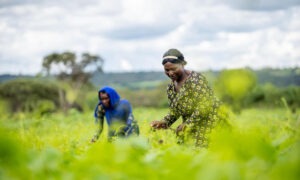
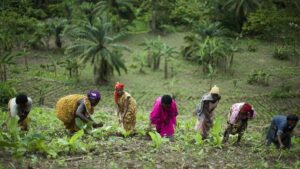
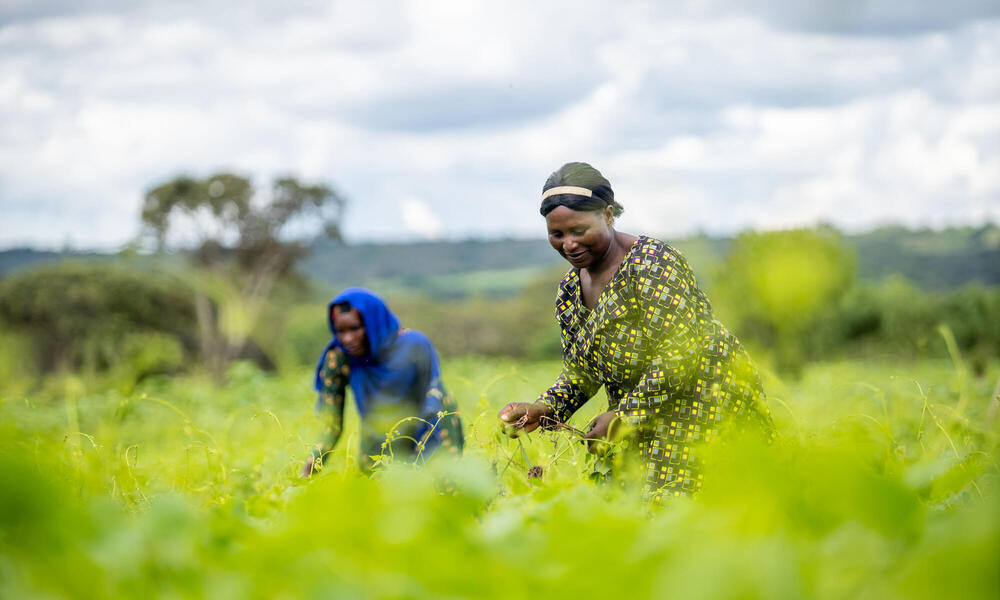
To understand the urgency of climate change mitigation in Uganda, one must first understand the nation’s profound reliance on its natural environment. Over 80% of Uganda’s population depends directly on rain-fed agriculture for their livelihood and food security. When the seasons shift unpredictably, the consequences are immediate and devastating.
In recent years, the traditional bimodal rainfall pattern—two distinct rainy seasons that farmers have relied on for generations—has become increasingly erratic. We are witnessing prolonged droughts that scorch crops before they can be harvested, followed by torrential downpours that cause severe soil erosion and flooding.
- Threats to Food Security: When rains delay, planting seasons are pushed back, resulting in lower crop yields. For rural families, this does not just mean less income; it means less food on the table. Malnutrition, already a challenge we tackle through our health initiatives, is exacerbated when staple crops like maize, beans, and matooke fail.
- Economic Instability: The agricultural sector is the backbone of Uganda’s economy. When smallholder farmers suffer losses due to extreme weather, the entire local economy feels the shockwave. Families are left without the funds to pay for school fees or basic healthcare, creating a cycle of poverty that is incredibly difficult to break.
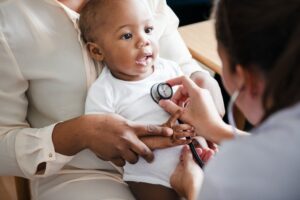
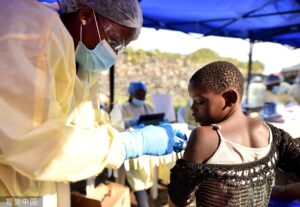
- Health Risks: Climate change also brings indirect health consequences. Increased flooding creates ideal breeding grounds for mosquitoes, leading to spikes in malaria cases. Additionally, access to clean, safe drinking water becomes compromised during extreme weather events, raising the risk of waterborne diseases like cholera and typhoid.
ELOI’s Holistic Approach to Climate Mitigation
At ELOI, our approach to climate change mitigation is rooted in the belief that effective solutions must be community-driven, culturally relevant, and deeply integrated into our broader mission of social and economic empowerment. Since our founding in 2007, we have learned that you cannot impose solutions from the outside; you must build resilience from within.
Our strategy focuses on three core pillars: Education, Sustainable Action, and Community Empowerment.
1. Education: Cultivating Climate Literacy
You cannot fight a battle you do not understand. In many rural areas, the changing weather patterns are sometimes attributed to superstition or bad luck rather than global climate shifts. ELOI prioritizes climate literacy, ensuring that communities understand the science behind what is happening to their land.
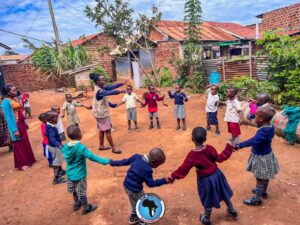
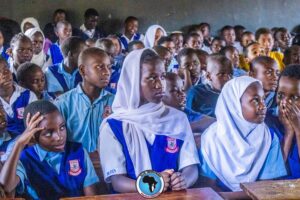
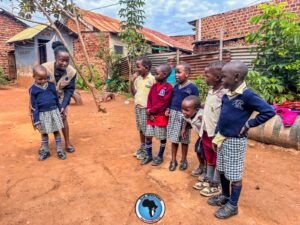
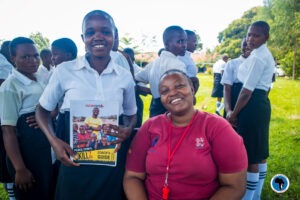
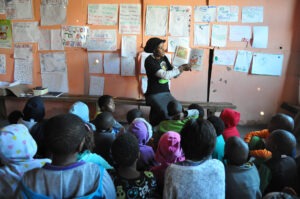
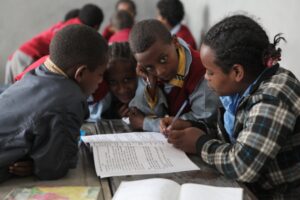
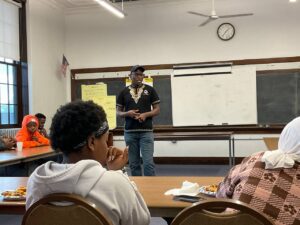
Through our community outreach programs and the upcoming ELOI Junior School Project, we integrate environmental education into the curriculum. We teach students and adults alike about the importance of vital ecosystems, the dangers of deforestation, and the global mechanisms driving climate change. By empowering individuals with knowledge, we transform them from passive victims of unpredictable weather into active stewards of their environment.
2. Sustainable Action: Reforestation and Smart Agriculture
Knowledge must be coupled with practical, tangible action. Uganda has lost a staggering amount of its forest cover over the past few decades, driven largely by the demand for firewood, charcoal production, and agricultural expansion. This deforestation accelerates soil degradation and alters local micro-climates.
ELOI partners with local communities to launch aggressive reforestation initiatives. We do not just plant trees; we plant the right trees—indigenous species that thrive in the local soil, provide shade, prevent erosion, and, in some cases, offer fruit for consumption or sale.
Furthermore, we advocate for and train farmers in Climate-Smart Agriculture (CSA). This includes teaching techniques such as:
- Crop Diversification: Encouraging farmers to plant a variety of drought-resistant crops rather than relying solely on one staple, mitigating total loss if a specific weather event occurs.
- Water Harvesting: Training communities to build simple, effective rainwater harvesting systems to capture water during the rainy season for use during dry spells.
- Agroforestry: Integrating trees and shrubs into crop and animal farming systems to create environmental, economic, and social benefits.
3. Community Empowerment: Women at the Forefront
Any successful climate change mitigation strategy must place women at the center. In rural Uganda, women are the primary caregivers, the gatherers of water and firewood, and the managers of household food security. They are the first to feel the impacts of a drying well or a failing crop.
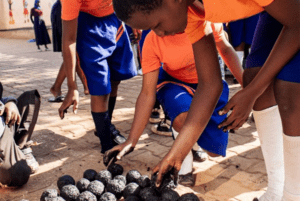
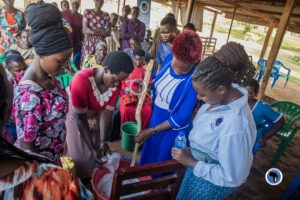
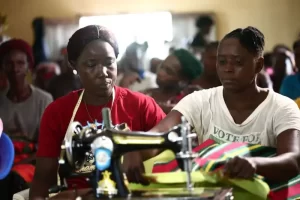
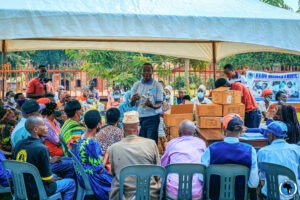
Through our Women Empowerment programs in Nakaseke village and Kasambya county, we ensure that women are not just participants but leaders in our climate initiatives. We provide them with the tools and training to adopt sustainable farming practices and explore alternative, eco-friendly income streams, such as producing briquettes from agricultural waste instead of cutting down trees for charcoal. When you empower a woman with sustainable practices, she transforms her entire household and, by extension, her community.
The Role of Global Partnership and Volunteerism
Addressing the climate crisis in Uganda is a massive undertaking, and we cannot do it alone. ELOI operates as a bridge, connecting the passion of global citizens with the pressing needs of grassroots communities.
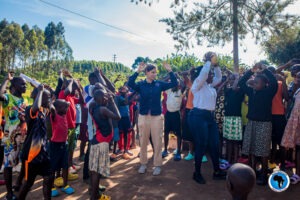
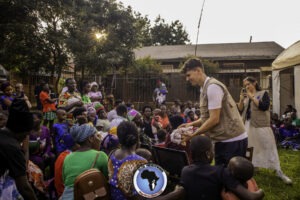
Our volunteer programs invite individuals from all over the world—whether they are college students seeking a meaningful internship, professionals taking a career break, or adventurous retirees—to join us on the ground. When international volunteers work side-by-side with local Ugandan farmers to plant trees, build water harvesting structures, or teach environmental science, a profound cultural exchange occurs.
This exchange is a cornerstone of ELOI’s vision. Volunteers bring new perspectives, energy, and resources, while leaving with a deep, firsthand understanding of how global climate policies impact everyday lives in East Africa. They return to their home countries not just as volunteers, but as lifelong advocates for environmental justice and sustainable development.
Looking to the Future: A Vibrant, Sustainable Uganda
The vision of Equitable Life Organization International is clear: “Hope for an African Child, a vibrant Uganda where every individual thrives socially, economically and spiritually.”
Thriving economically and socially is impossible if the environment is collapsing. Our commitment to environment and climate change mitigation is a commitment to the very survival and future prosperity of the communities we serve.
The challenges ahead are undeniable. Unpredictable rainfall and extreme weather will continue to test the resilience of Ugandan farmers and families. However, our commitment remains unwavering. By fostering climate literacy, implementing sustainable agricultural practices, empowering women, and building robust global partnerships, ELOI is planting the seeds for a more resilient Uganda.
We invite you to be part of this vital mission. Whether you are halfway across the world or right here in Kampala, your support, your voice, and your time can make a tangible difference. The climate crisis is a global problem, but the solutions begin at the community level.
Together, we can ensure that the Pearl of Africa continues to shine—not just for today, but for generations to come.