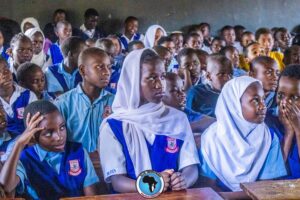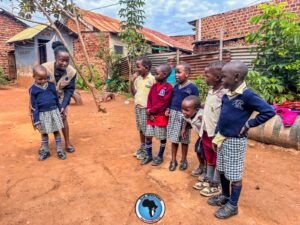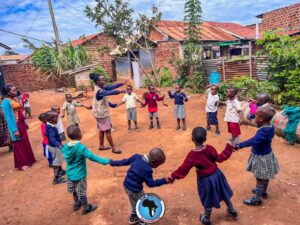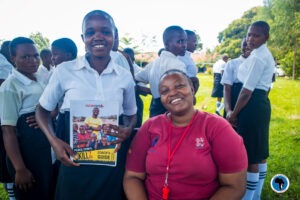
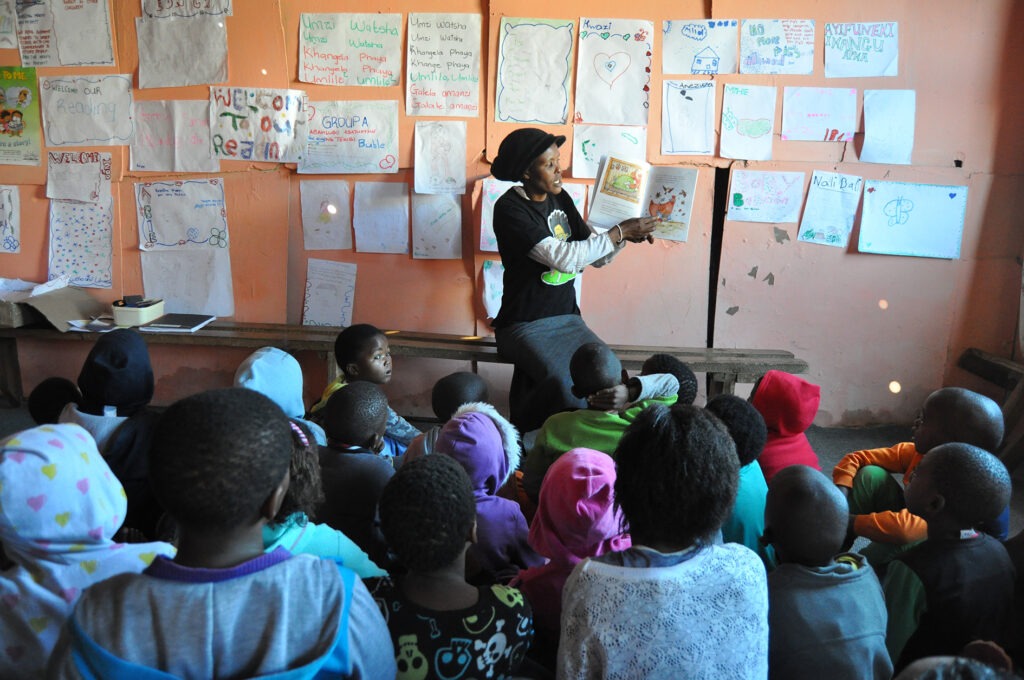
Uganda is synonymous with youth. With over 75% of its population under the age of 30, the country possesses an extraordinary demographic dividend. This vibrant, energetic youth bulge represents Uganda’s greatest natural resource and its most pressing policy challenge.
In 2026, the question is no longer just about getting young people into classrooms; it is about what happens when they leave. The gap between the skills imparted by the traditional education system and the demands of the modern, rapidly evolving economy is stark. To harness the potential of this generation, we must fundamentally redefine what youth education and empowerment look like in Uganda.
The Limits of Traditional Education
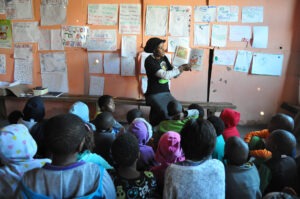
For decades, the educational paradigm in Uganda has been heavily academic and examination-focused. Success has been narrowly defined by the ability to pass standardized national exams, often emphasizing rote memorization over critical thinking and practical application. While significant strides have been made in expanding access to Universal Primary and Secondary Education, the quality and relevance of that education remain uneven.
Every year, hundreds of thousands of young Ugandans graduate from secondary schools and universities only to face a harsh reality: there are simply not enough formal sector jobs to absorb them. Youth unemployment and underemployment are chronic issues, leading to frustration, economic instability, and a massive waste of human potential. A degree is no longer a guaranteed ticket to a secure livelihood.
Shifting to Skills-Based Learning
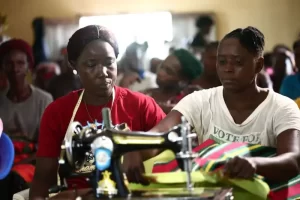
To bridge this gap, there must be a deliberate shift towards skills-based learning and vocational training. We must dismantle the stigma that often surrounds Technical and Vocational Education and Training (TVET). Being a skilled electrician, a modern agriculturalist, an expert tailor, or a software developer are highly valuable, economically viable career paths that drive national development.
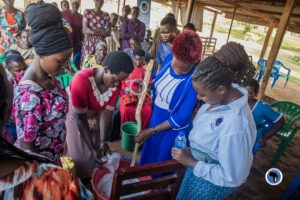
Empowerment programs must focus on equipping youth with tangible, marketable skills. This means partnering with the private sector to design curricula that reflect current industry needs. It means providing hands-on apprenticeships and mentorship programs that transition young people from theory to practice.
Furthermore, in an increasingly digital world, digital literacy is no longer optional; it is a foundational skill on par with reading and writing. Bridging the digital divide by ensuring young people have access to computers, the internet, and coding skills is critical to connecting them to the global digital economy.
Fostering an Entrepreneurial Mindset
Given the scarcity of formal jobs, the future of Uganda’s economy will be forged by entrepreneurs. However, starting and sustaining a business requires more than just a good idea. Youth empowerment initiatives must actively foster an entrepreneurial mindset, teaching young people how to identify market gaps, develop business plans, manage finances, and navigate the regulatory environment.
Access to capital remains a massive hurdle for young entrepreneurs. Microfinance initiatives, youth enterprise funds, and seed grant programs tailored specifically for young innovators are essential to turn business concepts into reality. When young people are empowered to create their own enterprises, they don’t just employ themselves; they create jobs for their peers.
Legal Literacy and Civic Engagement
True empowerment extends beyond economic self-sufficiency; it encompasses civic awareness and legal literacy. Many young Ugandans are unaware of their constitutional rights, labor laws, and the mechanisms available to hold institutions accountable.
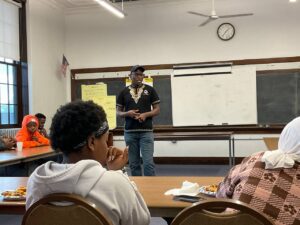
Integrating legal rights education into youth programs ensures that young people can advocate for themselves and protect themselves from exploitation. Furthermore, we must create platforms for meaningful civic engagement. Young people must not merely be the subjects of policy decisions; they must be active participants in the policy-making process. When youth voices are heard in local councils and national debates, governance becomes more responsive and inclusive.
The youth of Uganda are not waiting for the future; they are ready to lead today. By redefining education to focus on practical skills, entrepreneurship, and civic leadership, we can bridge the gap and transform the demographic bulge into an unstoppable force for innovation and national prosperity.