Introduction: The High Cost of a Hot Meal
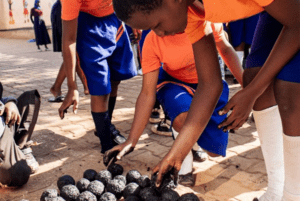
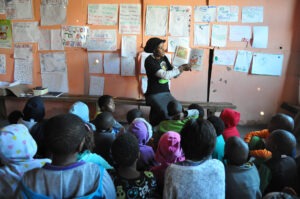
Across Uganda, community schools perform a daily miracle: feeding hundreds of children a hot meal so they can focus on their studies. However, the mechanism behind these meals is often an environmental and health hazard. The vast majority of rural educational institutions rely entirely on open-fire, three-stone stoves. This outdated method requires massive amounts of raw firewood, rapidly accelerating local deforestation while filling institutional kitchens with toxic, trapped smoke.
The Ecological and Physiological Toll
The reliance on raw biomass impacts both the land and the people:
- Deforestation and Erosion: The constant demand for institutional firewood strips communities of vital tree covers. This alters local microclimates and accelerates severe topsoil erosion across agricultural lands.
- Indoor Air Pollution: Cooks and students are subjected to thick, dangerous woodsmoke, leading to chronic respiratory illnesses and long-term lung damage.
ELOI’s Clean Technology Interventions
We believe that educating the next generation should not require the destruction of their natural environment. ELOI works alongside school administrations to install modern, fuel-efficient biomass rocket stoves.
- Halving the Wood Demand: These engineered stoves optimize heat retention, cutting institutional firewood consumption by up to 50 percent and dramatically reducing the pressure on local forests.
- Clearing the Air: The improved ventilation systems eliminate toxic indoor smoke, ensuring a safe, healthy working environment for school staff.
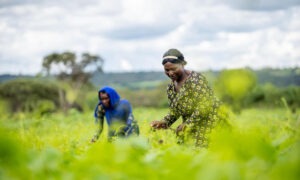
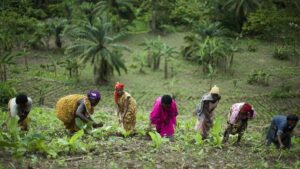
Coupled with our youth-led agroforestry campaigns—which focus on planting native, climate-resilient trees—ELOI is ensuring that Uganda’s schools operate sustainably, protecting both the lungs of our people and the canopy of our forests.