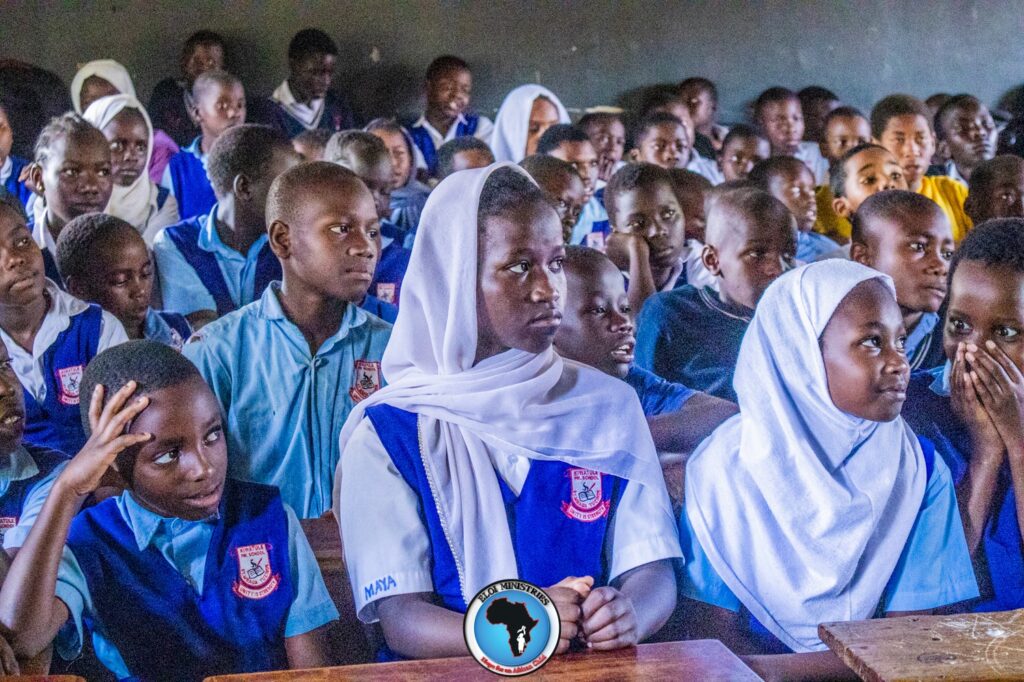
Intro
Students learn best when classrooms are healthy. In many rural settings, air quality and indoor environment conditions can affect concentration, respiratory health, and overall attendance. When households rely on smoke-producing cooking methods or when school environments are not designed to reduce indoor pollution, children can experience ongoing health impacts that make consistent learning harder.
ELOI Africa includes environmental sustainability and climate change mitigation as one of its major focus areas, alongside healthcare, education, and justice/reintegration. (eloiafrica.org)
1. The link between environment and education outcomes
Health is a prerequisite for learning. Respiratory issues, persistent irritation, and general illness can reduce:
- time spent attending school,
- students’ ability to focus,
- and the classroom learning environment as a whole.
Even when education systems do their part, unhealthy air can quietly erode learning time and reduce the effectiveness of teaching.
2. Why schools need environmental attention, not only academic instruction
A “school” is not just a classroom—it is a physical environment where children breathe, spend hours, and experience daily comfort or discomfort. Environmental planning can contribute to:
- reducing harmful exposure,
- improving comfort and concentration,
- and supporting healthier attendance patterns.
ELOI Africa’s inclusion of environmental and climate change mitigation within its overall mission reflects this reality: education access is strengthened when the physical learning environment is supportive. (eloiafrica.org)
3. Indoor pollution can affect children differently
Children are often more sensitive to environmental exposures due to developing bodies and higher vulnerability to respiratory irritation. That means classroom and household environments can influence student health and learning consistency.
When education access is combined with health awareness and environmental improvement, children can benefit from a stronger “learning foundation.”
4. How a community-based approach helps
Environmental change is not only an engineering issue—it is also a behavior and community support issue. Practical awareness campaigns, community engagement, and the integration of environmental considerations into broader education and health initiatives can help sustain improvements.
ELOI Africa’s model emphasizes partnership and collaboration with local communities, schools, and institutions, which is essential for environment-linked educational improvement. (eloiafrica.org)
5. What a practical environmental learning agenda can include
A clean-air and healthy-learning agenda in rural school contexts can focus on:
- identifying common sources of indoor pollution in surrounding areas,
- supporting awareness for families and school communities,
- encouraging safer household and school practices,
- and integrating environmental considerations into education support.
Conclusion
Education access is not only a matter of enrolling children—it is a matter of enabling them to learn safely and consistently. Environmental conditions shape health, health shapes attendance, and attendance shapes learning progress. With environmental sustainability and climate change mitigation included in its Uganda mission, ELOI Africa is working toward a future where students can breathe easier and learn more effectively. (eloiafrica.org)