Intro
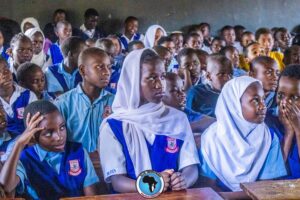
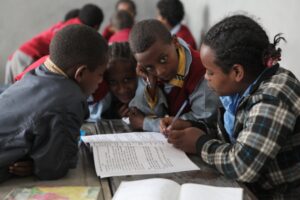
Access to education is not only about having a school nearby—it is about whether children can safely attend, learn consistently, and continue without interruption. In many rural communities, education can be disrupted by household economic pressures, inadequate school infrastructure, and health or safety concerns that prevent children from staying in class. For ELOI Africa, the “right to learn” is inseparable from the practical conditions that allow children—especially those facing vulnerability—to remain in school and complete meaningful learning.
At ELOI Africa, our work is built on the belief that hope becomes real when children can access essential services. Our mission emphasizes improving access to education alongside healthcare, justice/reintegration, and environmental sustainability in Uganda. (eloiafrica.org)
1. Education access is fragile when the surrounding conditions are unstable
When a child is enrolled but cannot reliably attend, the first loss is attendance—and the second loss is momentum. Rural schools often face challenges such as limited resources, overcrowded classrooms, and pressures on families to prioritize immediate survival needs over schooling. Over time, these challenges can create cycles of dropout and underachievement.
ELOI Africa’s approach recognizes that schooling does not happen in isolation. Education is connected to broader realities like:
- whether families can afford school-related costs (even when tuition is low),
- whether children are healthy enough to learn,
- whether safe learning spaces exist,
- whether students feel protected from social harm,
- whether communities have the support structures to keep education stable year after year.
2. Why safety and safeguarding are “core education infrastructure”
Safeguarding in schools is not a side issue. Children cannot benefit from instruction if they do not feel safe, respected, and protected. Safeguarding includes policies and day-to-day practices that reduce harm and respond appropriately when risks appear.
In rural school settings, safeguarding efforts often must be practical and community-supported—so that staff, parents, and local leaders share responsibility for protecting students. The goal is not only to prevent harm, but to create the conditions where teachers can teach effectively and students can learn without fear.
ELOI Africa’s broader mission—improving access to essential services for Ugandan communities—aligns with this understanding. When education is supported alongside health access, social support, and community protection, children are more likely to remain in learning environments long enough to build real skills and confidence. (eloiafrica.org)
3. Stabilizing learning requires strengthening systems, not just providing moments of support
Many interventions focus on short-term needs. But learning improvement requires continuity:
- consistent attendance,
- steady classroom support,
- predictable access to learning resources,
- and the ability to recover quickly when challenges occur.
ELOI Africa’s education strategy is part of a long-term effort that includes partnerships with educational institutions and community outreach. (eloiafrica.org)
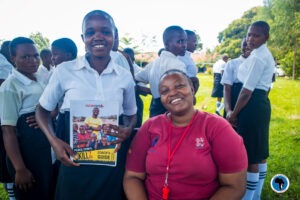
Where children are sponsored to attend primary, secondary, or vocational education, the purpose is not only to place a child in school—it is to support progression toward skills and future opportunity. ELOI Africa states that it has sponsored a total of 308 girls and 208 boys to go to school through community and school outreach programs. (eloiafrica.org)
4. The practical role of “community outreach” in keeping children in school
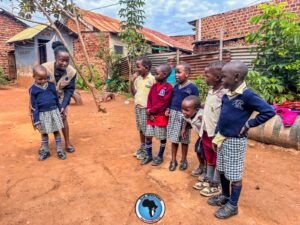
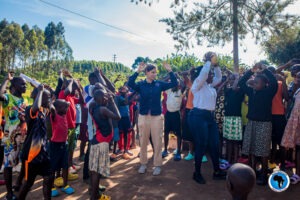
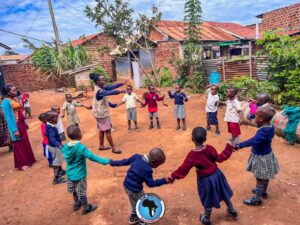
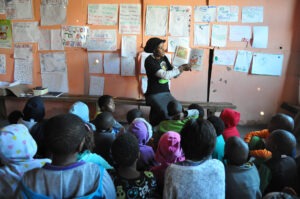
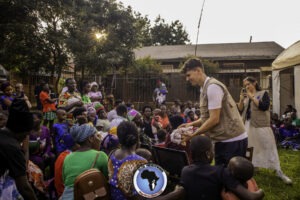
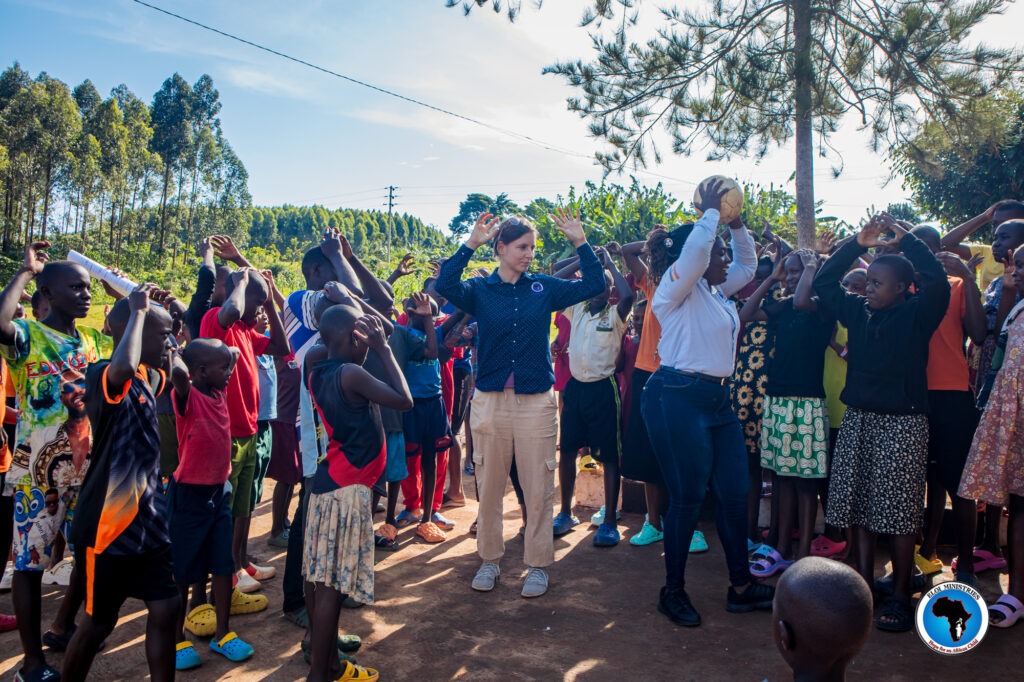
Outreach matters because school continuity depends on relationships. Families need reassurance that education is valuable and that support is responsive to real barriers. Communities need to understand why children must remain in school and what support is available when obstacles appear.
For organizations like ELOI Africa, outreach can involve:
- identifying vulnerable children,
- supporting enrollment and ongoing access,
- coordinating with schools,
- and connecting educational support with other essential services (such as health access and guidance).
This “whole-environment” approach is consistent with ELOI Africa’s stated commitment to improving access to education and other essential services in Uganda. (eloiafrica.org)
5. A safeguarding-forward education agenda (what we should prioritize)
To protect the right to learn in rural communities, safeguarding-forward education programming should prioritize:
- Safe attendance (reducing barriers that pull children away from school)
- Protective school environments (shared rules, reporting pathways, and consistent adult supervision)
- Teacher support (training and practical resources to handle safeguarding needs)
- Family and community partnership (so safeguarding is not only “school-based”)
- Recovery and continuity (systems that help students return after disruptions)
Conclusion
Safeguarding the right to learn means treating education as a protected life pathway. It requires more than buildings and books—it requires stability, safety, community trust, and connected support. ELOI Africa’s mission—improving access to education while also strengthening healthcare, justice/reintegration, and environmental sustainability—reflects a practical commitment to helping Ugandan children keep learning and keep hope. (eloiafrica.org)