The intersection of environment and health is no longer a theoretical discussion for the future; it is the lived reality for millions of Ugandans today. As the heavy rains of June wash over the fertile landscapes of the Central and Western regions, they bring vital nourishment to the soil, but they also bring a stark reminder of our changing climate.
In 2026, Uganda is witnessing the profound ripple effects of environmental degradation and unpredictable weather patterns on public health. From spikes in vector-borne diseases to the silent crisis of malnutrition driven by crop failures, the health of our communities is inextricably linked to the health of our environment.
The Changing Climate Landscape
Uganda’s economy and societal structure are deeply rooted in agriculture, with the vast majority of the population relying on rain-fed farming for their livelihoods. Over the past decade, the traditional, predictable rainy and dry seasons have given way to erratic weather extremes. Prolonged droughts parch the earth, followed by intense, localized flooding that washes away topsoil, destroys infrastructure, and displaces communities.
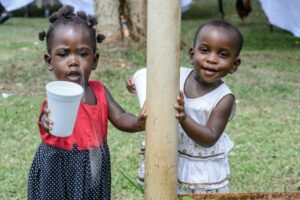
These environmental shocks are fundamentally public health emergencies. When a community’s agricultural yield drops due to drought, the immediate consequence is food insecurity. Chronic malnutrition, particularly among children under five, weakens immune systems and stunts cognitive and physical development. The environmental crisis quickly becomes a generational health crisis.
The Surge of Waterborne and Vector-Borne Diseases
The health impacts of extreme weather are immediate and severe. Flooding overwhelms inadequate sanitation infrastructure, contaminating drinking water sources with human and animal waste. This creates the perfect breeding ground for waterborne diseases such as cholera, typhoid, and dysentery. In rural areas where access to clean, piped water is limited, these outbreaks can sweep through communities with devastating speed.
Furthermore, changing temperatures and altered rainfall patterns have expanded the geographic range and extended the transmission seasons of vector-borne diseases. Malaria, already one of the leading causes of morbidity and mortality in Uganda, is seeing a resurgence in areas previously considered too cool for the Anopheles mosquito to thrive. Stagnant water left behind by floods provides massive new breeding sites, leading to localized epidemics that strain rural health centers to their breaking point.
Air Quality and the Burden of Biomass
The environmental health crisis in Uganda is not solely driven by global climate change; local environmental practices play a massive role. The heavy reliance on biomass—firewood and charcoal—for cooking and heating in both rural and urban areas is a dual threat.
Environmentally, the insatiable demand for charcoal drives rapid deforestation, stripping the land of its natural ability to regulate water flow and prevent soil erosion. Health-wise, the indoor air pollution generated by burning biomass in poorly ventilated spaces is a leading cause of severe respiratory illnesses, including pneumonia, chronic obstructive pulmonary disease (COPD), and lung cancer. Women and young children, who spend the most time near the cooking hearth, bear the brunt of this toxic exposure.
Building Community-Led Resilience
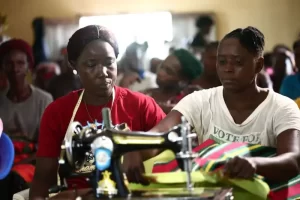
Addressing this complex web of challenges requires a holistic approach that breaks down the silos between environmental conservation, public health, and economic empowerment. We cannot treat the symptoms without addressing the root causes.
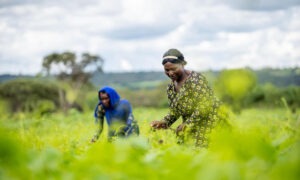
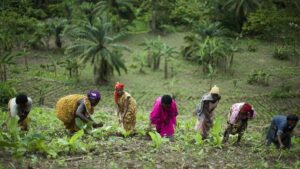
- Promoting Climate-Smart Agriculture: We must empower farmers with knowledge and resources to adapt to the changing climate. This includes promoting drought-resistant crop varieties, improved water harvesting techniques, and sustainable land management practices that preserve soil health and increase yields.
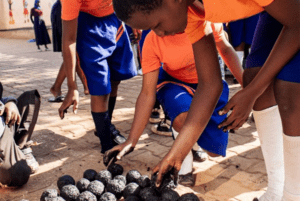
- Expanding Access to Clean Energy: Transitioning communities away from traditional biomass to clean cooking technologies—such as improved cookstoves, biogas, and solar energy—is a critical intervention that protects both the forests and the lungs of the population.
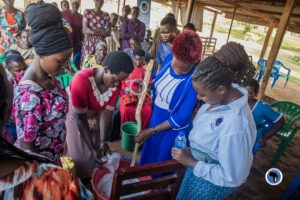
- Strengthening WASH Infrastructure: Investing in resilient Water, Sanitation, and Hygiene (WASH) infrastructure is essential to break the cycle of waterborne diseases. This means building flood-proof latrines, protecting water sources, and promoting community-led total sanitation initiatives.
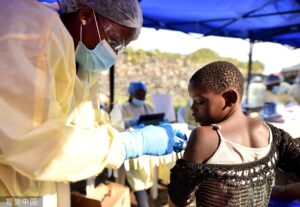
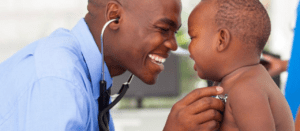
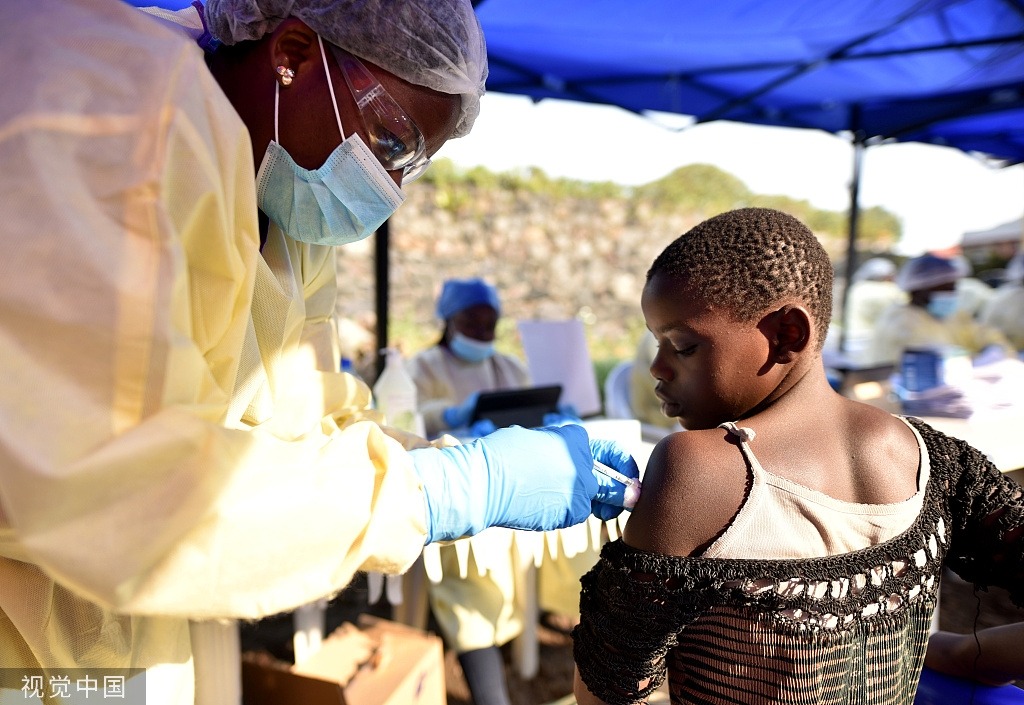
- Empowering Local Health Systems: Rural health centers must be equipped to anticipate and respond to climate-driven disease outbreaks. This involves better disease surveillance, ensuring adequate stockpiles of essential medicines like antimalarials and oral rehydration salts, and training community health workers to recognize the signs of emerging health threats.
The health of Ugandans is written in the soil, the water, and the air. By adopting sustainable environmental practices and building climate-resilient communities, we are not just saving trees; we are saving lives. The ripple effect can be positive—if we act now with purpose and integration.