Introduction: A Continental Call to Action
This week, communities across Uganda and the wider continent gathered to observe the International Day of the African Child on June 16. Established to honor the courage of the students who marched for their right to a quality education in Soweto in 1976, this day has evolved into an annual checkpoint for evaluating how we protect and uplift the next generation.
For 2026, the African Committee of Experts on the Rights and Welfare of the Child (ACERWC) announced a critical, fundamental theme: “Ensuring universal access to water, sanitation and hygiene for every child in Africa.”
At ELOI, we know that this theme hits at the very core of our holistic mandate. You cannot separate a child’s ability to learn from their physical environment, nor can you guarantee access to quality education without first securing basic health, clean drinking water, and safe sanitation.
The Silent Crisis: How Inadequate WASH Derails Education
Across Sub-Saharan Africa, millions of children face daily barriers to their development due to unsafe water and a complete lack of basic hygiene facilities. According to UNICEF data for 2026, over 190 million children remain at high risk from water-related threats and climate hazards.
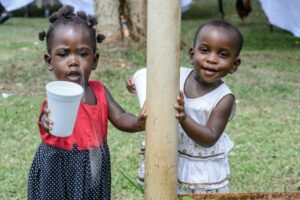
When a village or a school lacks a reliable source of clean water, the burden almost always falls on the young. Children spend hours walking long distances to fetch water from unprotected ponds or shallow streams, missing vital morning lessons.
| How Unsafe WASH Impacts an African Child | Immediate Educational & Social Consequences |
| Waterborne Illnesses | Severe bouts of typhoid, cholera, and diarrheal diseases cause chronic school absenteeism and stunt early childhood growth. |
| Sanitation Barriers for Girls | A lack of private, clean changing facilities causes teenage girls to miss up to 20% of the school year, driving up early dropout rates. |
| Stagnant Water Risks | Poor drainage around schools creates breeding grounds for vectors, spiking localized malaria rates among young students. |
Protecting Our 516 Sponsored Students
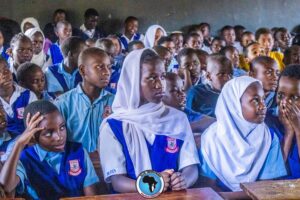
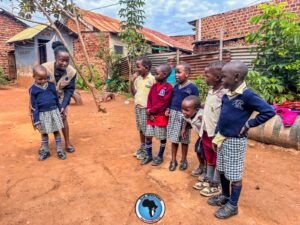
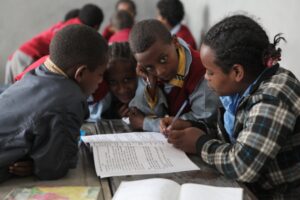
Our educational framework under the ELOI Bursary Scheme does not operate in a vacuum. We currently sponsor 516 brilliant children—comprising 308 girls and 208 boys—to attain primary, secondary, and vocational education. But paying tuition is only half the battle. If a student is constantly falling sick from contaminated water at home or at school, their academic potential is cut short.
“Protecting children must move from empty promises to practical action inside our classrooms, homes, and community centers.”
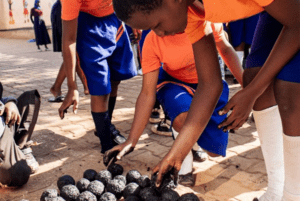
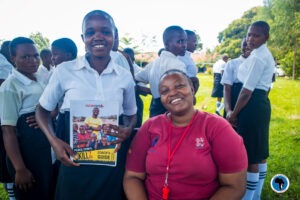
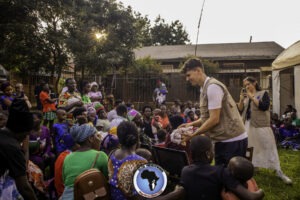
Through our ongoing school outreach programs, ELOI field officers evaluate the infrastructure of our partner schools. We don’t just check report cards; we assess whether the school has functioning handwashing stations, clean latrines, and access to safe drinking water.
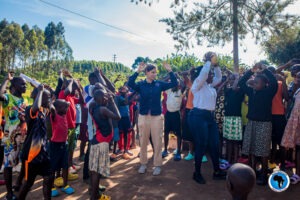
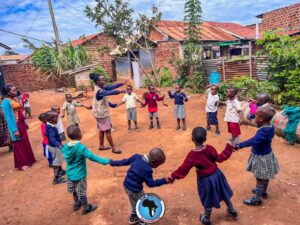
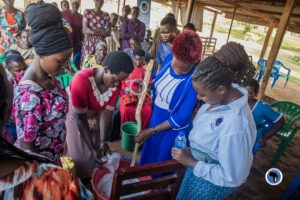
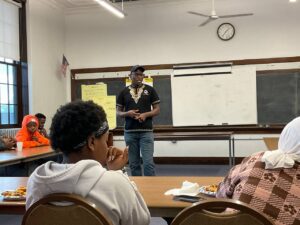
By actively integrating hygiene education into our mentorship sessions, we teach children the foundational science of sanitation—such as proper handwashing techniques and safe water storage—empowering them to become health advocates within their own households.
The Frontlines of Health: Our Partnership with Buwenge Hospital
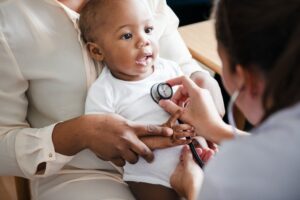
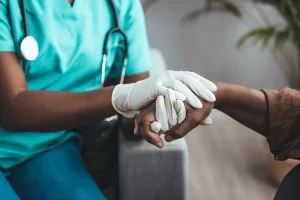
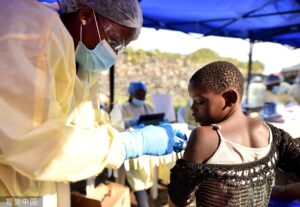
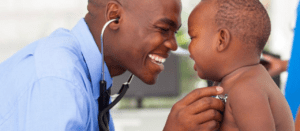
In underserved rural areas, the health toll of poor water and sanitation quickly turns fatal for children under the age of five. Diarrheal diseases remain a leading cause of preventable infant mortality across East Africa, a tragic reality that highlights the urgency of our health pillar.
To combat this, ELOI relies heavily on our strategic partnership with Buwenge Hospital, which has been a cornerstone of our medical outreach since 2013. This collaboration allows us to provide immediate clinical interventions when waterborne outbreaks hit local villages:
- Facilitating Emergency Medical Access: We ensure that children suffering from severe dehydration or acute waterborne infections receive immediate, affordable medical attention without being turned away due to extreme poverty.
- Maternal and Infant Nutritional Safeguards: Safe sanitation is critical for pregnant mothers and newborns. Through our hospital partnership and community health networks, we educate expectant mothers on the importance of clean water in infant care, protecting vulnerable immune systems during the first crucial months of life.
Conclusion: Moving from Awareness to Sustainable Action
The 2026 Day of the African Child theme is a powerful reminder that clean water and safe sanitation are not optional development goals—they are absolute human rights obligations.
As a non-political, faith-based organization, ELOI is committed to building a vibrant Uganda where every child thrives socially, economically, and spiritually. We will continue to expand our educational sponsorships, strengthen our healthcare partnerships, and advocate for climate-resilient community infrastructure. By securing clean water and dignified sanitation today, we are clearing the path for the leaders, innovators, and heroes of tomorrow.