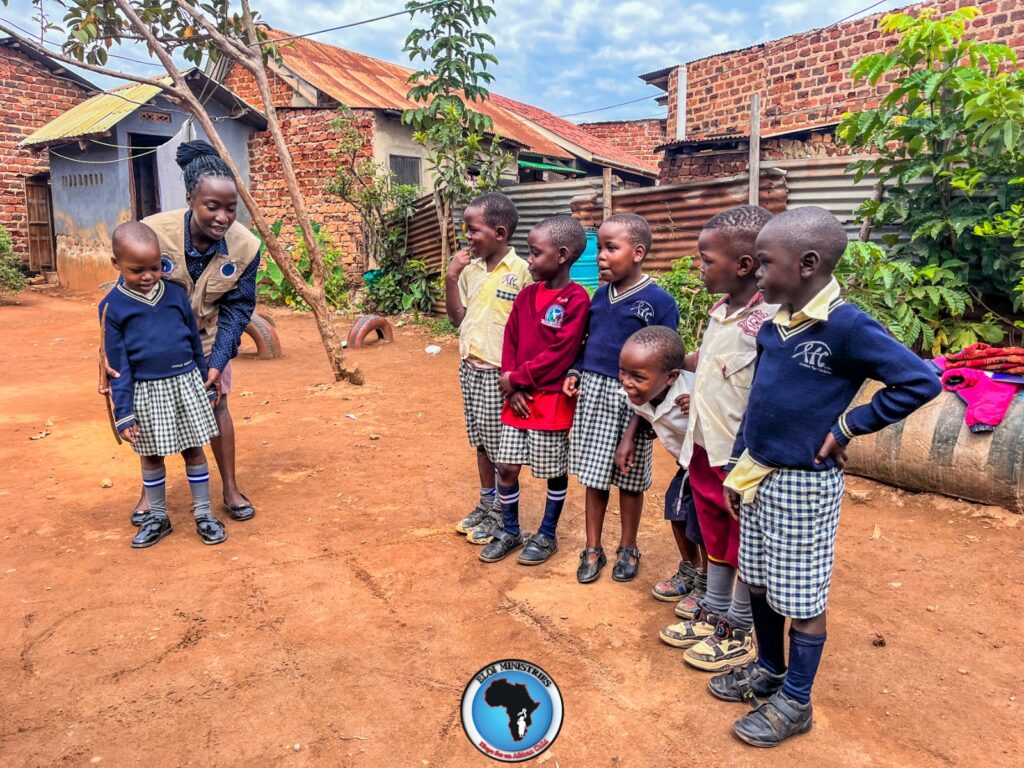
Intro
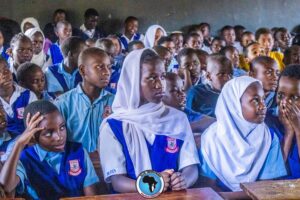
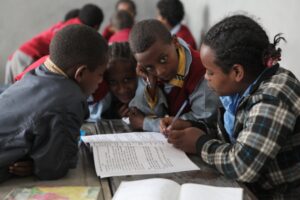
Literacy is more than the ability to read a textbook. In real life, literacy expands choices: it helps students understand instructions, participate confidently in community life, access health information, and pursue further education or vocational pathways. For rural learners, literacy is often threatened by limited learning materials, interruptions in schooling, and barriers that reduce time-on-task.
ELOI Africa’s focus on education access in Uganda is grounded in a clear belief: when children gain access to consistent learning opportunities, they can build the capabilities that support long-term development. (eloiafrica.org)
1. Literacy changes what a student can do every day
A literate student can:
- read and follow instructions for school tasks,
- interpret basic information in daily life,
- understand written guidance related to health and safety,
- and communicate more effectively with teachers, peers, and families.
This is why literacy support should be treated as a foundation for opportunity. When education systems fail to protect early learning, students often struggle to catch up later—making early reading and language support especially important.
2. Access is not the same as completion
Many programs can help a child enter school. But education access becomes meaningful when it supports progression: staying in school, maintaining attendance, and reaching learning milestones.
ELOI Africa describes its mission as improving access to education, healthcare, access to justice, and environmental sustainability in Uganda. (eloiafrica.org)
That integrated focus matters because literacy depends on a child’s overall well-being and ability to participate consistently in classroom learning.
3. School outreach and sponsorship as continuity support
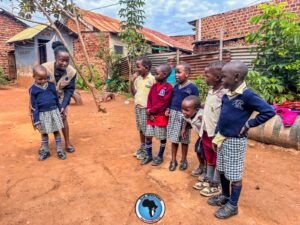
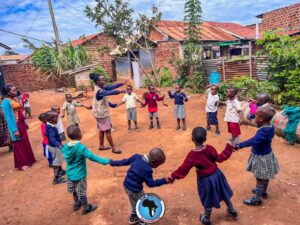
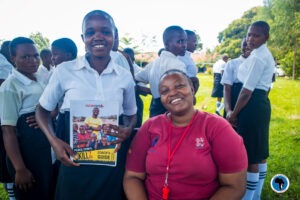
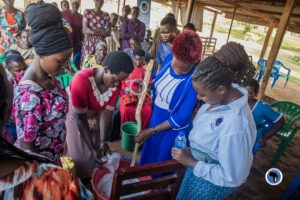
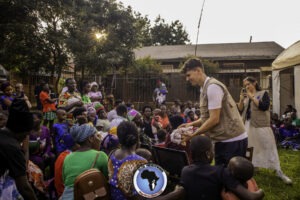
One of the most direct barriers to learning access in rural settings is interruption—when a child leaves school due to household pressures or missing support. ELOI Africa states that it sponsors a defined number of children (girls and boys) to attend education across primary, secondary, and vocational tracks, delivered through community and school outreach programs. (eloiafrica.org)
Sponsorship and outreach can help reduce “dropout risk factors” by improving the likelihood that a child remains enrolled long enough to develop foundational skills.
4. Why literacy must include life skills, not only reading
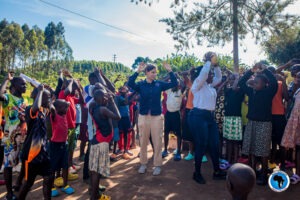
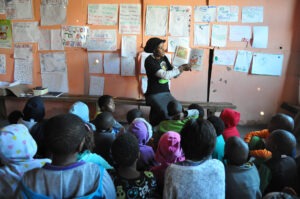
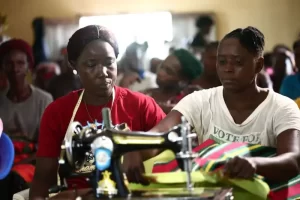
Literacy can be strengthened when schools and communities connect reading to real-world tasks—understanding forms, reading instructions, learning vocabulary related to daily life, and communicating with confidence. In this way, literacy becomes a tool for empowerment rather than a school-only skill.
When students build both literacy and practical confidence, they are better positioned to:
- engage in education beyond primary levels,
- pursue training and vocational opportunities,
- and participate more effectively in community life.
5. “Education access” as dignity
Education access is also a dignity issue. Children who learn can build futures. Communities that invest in education often benefit from stronger local capacity and more opportunities for the next generation.
ELOI Africa’s stated vision—“Hope for an African Child”—captures this idea: hope becomes durable when learning is protected and supported over time. (eloiafrica.org)
Conclusion
Literacy is liberation because it expands agency. It helps learners interpret the world and navigate their futures. ELOI Africa’s work in Uganda—improving access to education alongside other essential services—supports the conditions in which literacy can grow from a basic skill into lasting empowerment. (eloiafrica.org)