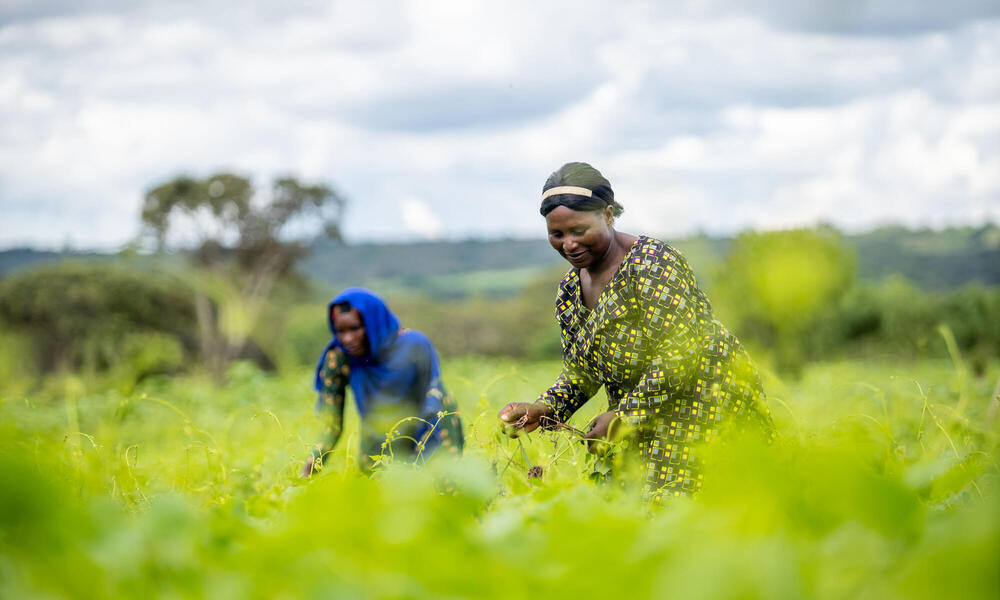
Introduction: The Frontlines of Climate Change
This Sunday, August 9, marks the International Day of the World’s Indigenous Peoples. It is a day dedicated to honoring the deep, historical knowledge local communities hold regarding their natural environments. In rural Uganda, the people who know the land best are the smallholder farmers who have worked it for generations. Yet, these farmers are now facing unprecedented challenges: unpredictable rainy seasons, prolonged droughts, and severe topsoil erosion driven by rapid global climate shifts.
True environmental preservation cannot be dictated from afar; it must be led by the local communities whose survival depends directly on the health of the soil.
Reversing the Cycle of Degradation
When erratic weather strikes, it disrupts agricultural yields. Desperate to replace lost income, families are often forced to cut down native trees to sell for charcoal. This accelerates deforestation, which in turn worsens soil erosion and destroys local water tables.
ELOI disrupts this destructive cycle by merging traditional ecological respect with highly effective, climate-smart technologies:
| Intervention Focus | Grassroots Execution | Ecological & Economic Impact |
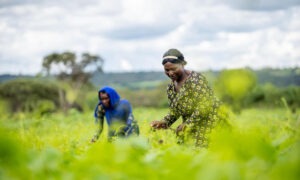
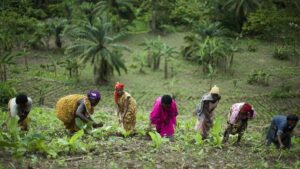
| Community Agroforestry | Providing rural farmers with native, climate-resilient tree seedlings to plant alongside food crops. | Restores the local water canopy, creates natural windbreaks, and anchors vital topsoil during heavy flash floods. |
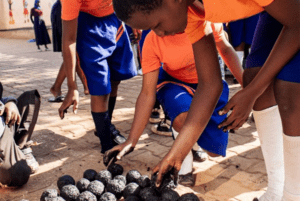
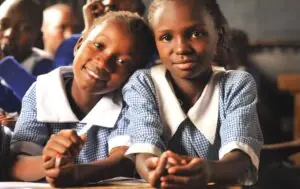
| Institutional Cookstoves | Upgrading local schools from traditional open-fire pits to fuel-efficient biomass rocket stoves. | Cuts institutional firewood demand by 50%, drastically reducing community deforestation while eliminating toxic indoor kitchen smoke. |
By equipping rural farmers and schools with sustainable tools, ELOI honors the local stewardship of the land while building a resilient, climate-smart future for East Africa.