Introduction: The Economic Strain on Smallholders
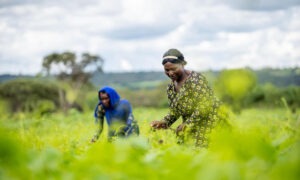
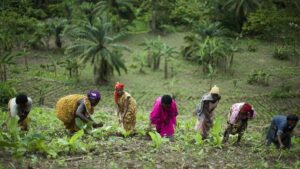
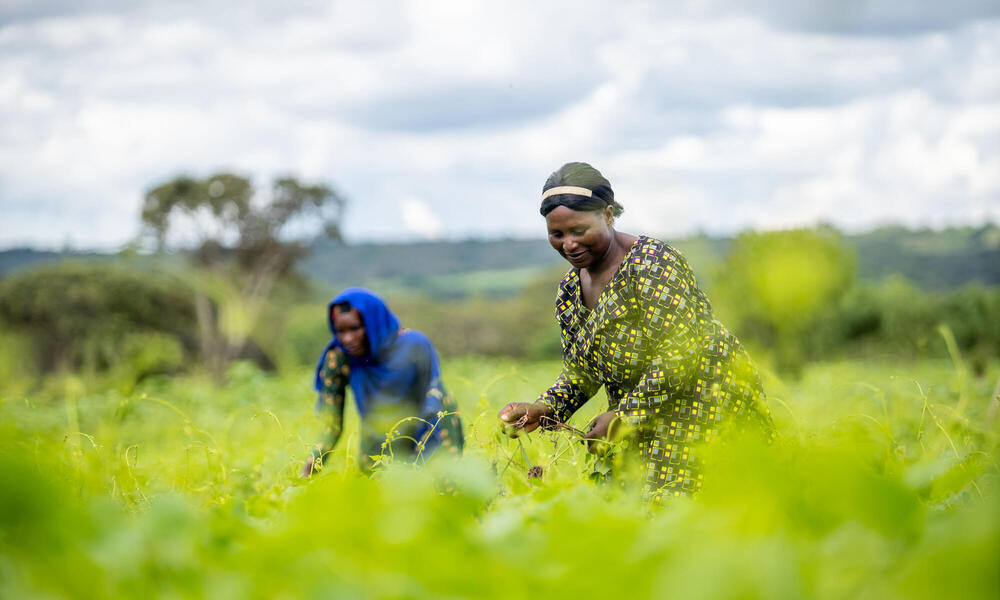
Late August brings the critical window between growing cycles in rural Uganda. For smallholder farming families, this period highlights the growing threat of global climate instability. Unpredictable weather patterns, flash flooding, and soil degradation directly threaten the livelihoods of rural communities, where a single lost harvest can push a family into severe economic crisis.
Environmental protection is not an abstract goal—it is a direct requirement for food security, economic stability, and community health.
ELOI’s Climate-Smart Agricultural Model
To counteract rapid topsoil erosion and deforestation, ELOI works directly with local farming associations to implement practical agroforestry and fuel-conservation initiatives:
| Field Intervention | Practical Application | Long-Term Benefit |
| Agroforestry Nurseries | Distributing native, drought-resistant tree saplings to smallholders. | Restores local canopy cover, anchors topsoil, and improves water retention in food crops. |
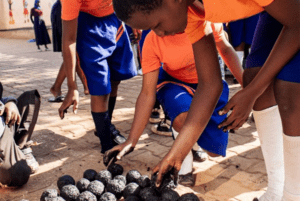
| Biomass Rocket Stoves | Installing energy-efficient stoves in community institutions and schools. | Cuts wood consumption by 50%, reducing deforestation and eliminating toxic indoor smoke. |
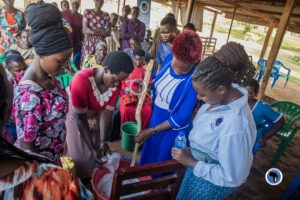
| Soil Conservation Workshops | Training farmers in organic composting and terracing techniques. | Prevents nutrient runoff during heavy rains and increases seasonal crop yields. |
Securing the Next Generation
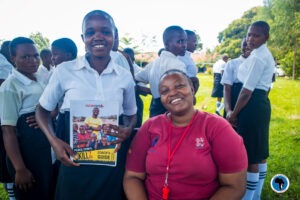
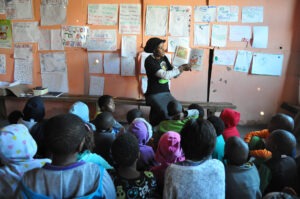
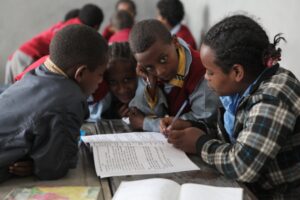
By equipping local farmers with the tools to restore their land, ELOI protects both the immediate food supply and the long-term economic stability of the region, ensuring that families can keep their children in school rather than being forced into survival-driven deforestation.